As with an internal combustion engine, monitoring oil condition is critical to an HPU’s performance and longevity.
Hydraulic Oil Maintenance
Hydraulic oil plays a critical role in
hydraulic power unit performance and should be factored into both system design and ongoing maintenance. Because oil viscosity changes with temperature, operating conditions at extreme temperatures needs to be considered. Oil that becomes too thick or too thin can increase wear and reduce the performance of pumps, directional control valves, accumulators, and valve cylinders.
Hydraulic Filter Inspection and Replacement
Most HPUs are equipped, at minimum, with a return line oil filter. Return-line filtration helps capture contamination returning from the hydraulic circuit before it enters the reservoir and is recirculated through the system. New hydraulic oil should not automatically be assumed to meet the system's requirements, and may need to be filtered before being added to the reservoir.
Hydraulic cylinders can also be a major source of contamination, as exposed cylinder rods can collect debris and carry it into the system when they retract. Filtering the oil before returning it to the HPU reservoir helps prevent contaminants from entering the clean oil supply and being recircuilated by the pump.
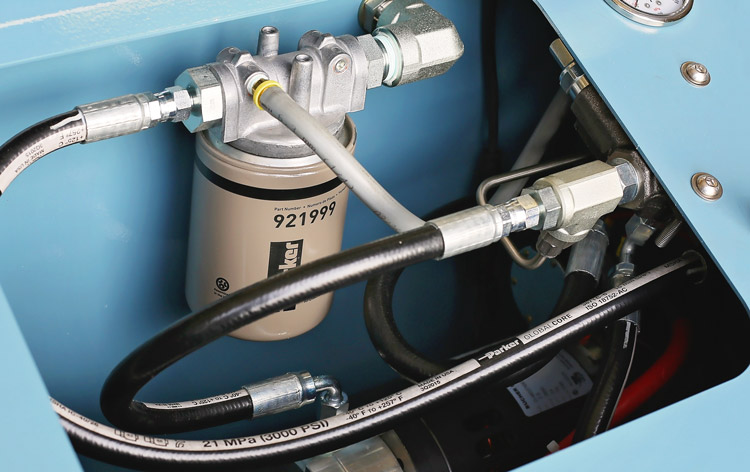
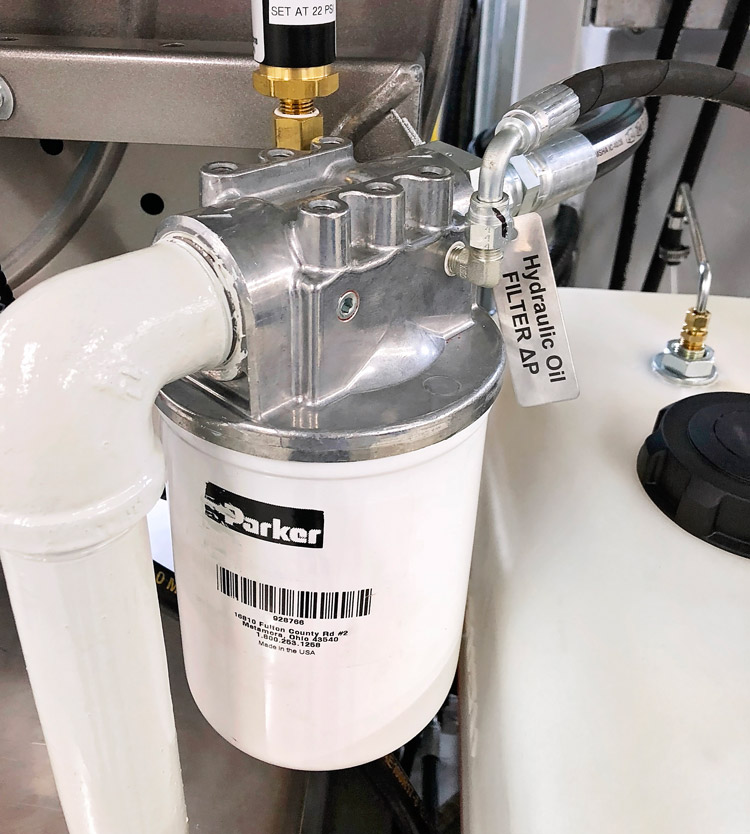
As a filter nears the end of its life, trapped debris increases flow restriction. Many hydraulic filters include a visual or differential-pressure indicator that shows when the filter element has reached a level which requires service.
Once the filter indicator shows excessive restriction, the filter element should be replaced. This can be identified visually or with a differential pressure switch that triggers an alarm. The appropriate monitoring method can be selected during the design phase.
Hydraulic Oil Testing and Analysis
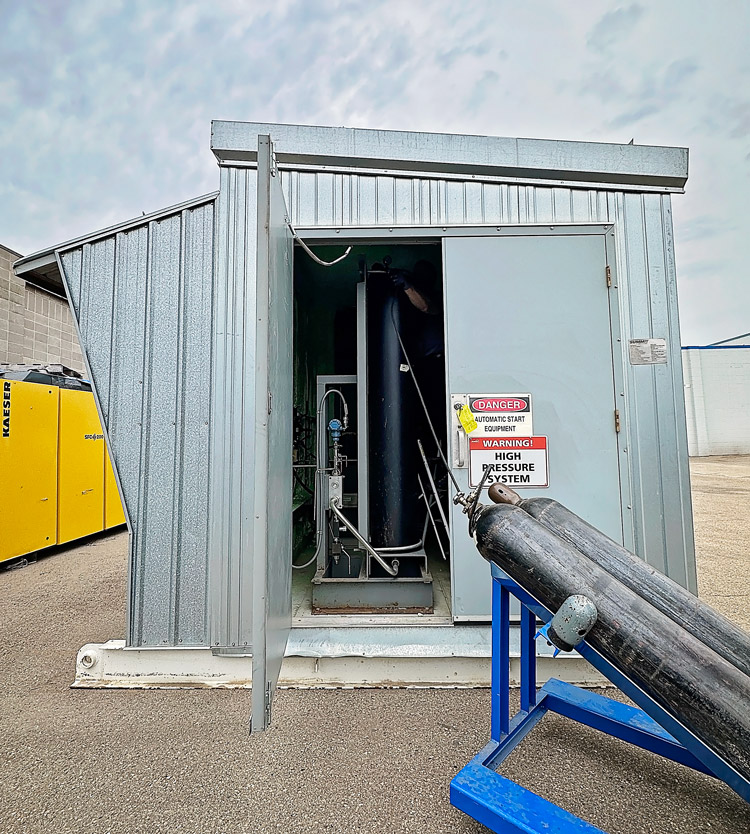
Hydraulic oil should be periodically tested for water, debris, and degradation. The hydraulic designer should provide an ISO 4406 cleanliness code (e.g. = 19/17/14), which indicates the level of contamination in the fluid. The target cleanliness level should be established based on the requirements of the hydraulic system and its most contamination-sensitive components.
Water contamination can contribute to corrosion, reduced lubrication performance, oil degradation, and component wear. Total Acid Number (TAN) can be monitored as an indicator of oil oxidation and degradation. The acceptable TAN limit depends on the hydraulic fluid and should be evaluated against the oil manufacturer's recommendations and fluid's baseline condition.
Hydraulic Reservoir Inspection and Cleaning
In addition to storing hydraulic oil, the reservoir plays an important role in maintaining system cleanliness. It helps dissipate excess heat, allows air to separate from the oil, and provides an area where contaminants can settle. The inside of the reservoir should be inspected and cleaned periodically, typically every one to three years depending on HPU usage, contamination levels, and operating environment.
Why Should a Hydraulic System Be Flushed?
It is important to remove as much contaminated oil from hydraulic lines and the valve cylinder as possible. This process is called flushing, whereby oil is drained and new oil is circulated through the system (stroking valves open/closed if possible).
In some systems, the cylinder may not displace enough oil back to the reservoir to ensure fresh oil reaches the field lines on the next stroke. In these cases, a bypass circuit may be required to properly flush the lines. Once flushing is complete, the fluid is drained again and the reservoir is filled with fresh hydraulic oil.
Once flushing is complete, the system is ready to return to operation. It is also important to lubricate the electric motor bearings (if applicable) by following the manufacturer’s recommendations.
Common HPU Maintenance & Replacement Tasks
Eventually, mechanical components will wear. Depending on the HPU design, the items below are listed along with tools necessary to perform routine maintenance:
Valve Replacement
Includes flow controls, holding valves, poppet valves, double block and bleed valves, directional control valves.
- Tools Required: Screwdrivers, Wrenches, Hex Keys
- Lifting Capacity: Minimal (manual)
Hydraulic Pump Replacement
- Tools Required: Screwdrivers, Wrenches
- Lifting Capacity: Chain Hoist, Forklift
Hydraulic Oil Replacement
- Tools Required: Oil transfer Pump and Filter, Waste Oil Frum, New Oil
- Lifting Capacity: Forklift, Wheel Cart
Electric Motor Replacement
- Tools Required: Screwdrivers, Wrenches
- Lifting Capacity: Chain Hoist, Forklift
Accumulator Replacement
- Tools Required: Wrenches, Nitrogen Charge Kit
- Lifting Capacity: Overhead Crane or Forklift up to 2,000 lbs
Accumulator Precharge and Maintenance
Bladder or piston-style accumulators are used in many HPUs to store and release pressurized hydraulic fluid. To function properly, the accumulator must be precharged with a gas (typically nitrogen) to a specified pressure. The required pressure depends on the accumulator design, system operating pressure, and intended function. In many applications, this may fall within approximately 1,000 to 2,000 psi.
To precharge an accumulator, field crews transfer compressed nitrogen from the nitrogen storage cylinder (design and usage governed by Transport Canada) to the accumulator (design and usage governed by Alberta Boiler and Safety Association ABSA).
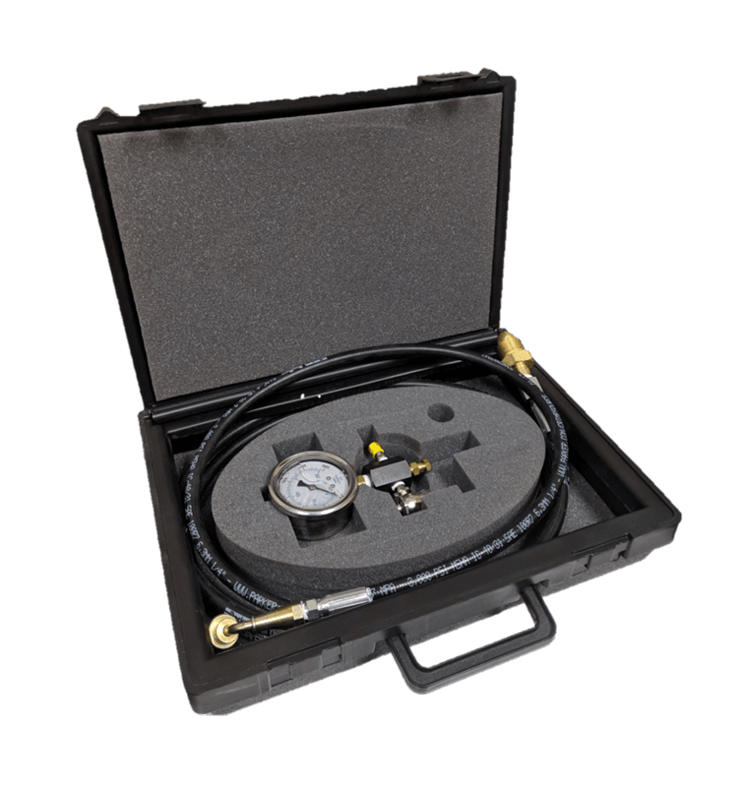
In Alberta, hydraulic accumulators, charging equipment, fittings, and associated pressure components may be subject to requirements under the Safety Codes Act and Pressure Equipment Safety Regulation. Equipment owners and designers should confirm applicable registration, certification, and inspection requirements with ABSA before placing pressure equipment or charging assemblies into service.
HPU Preventive Maintenance for Industrial Valve Systems
A preventive maintenance program for a hydraulic power unit should focus on oil cleanliness and condition, filtration, leaks, accumulator precharge, component wear, instrumentation, and overall system performance.
Maintenance intervals should be based on the HPU design, operating environment, duty cycle, manufacturer recommendations, and site maintenance requirements.
Safety, site access, and environmental conditions should also be considered when planning HPU maintenance.
PEAK Dynamic Systems designs, builds, and supports hydraulic power units in Edmonton, Alberta for industrial valve applications throughout Western Canada. Our team can help with HPU maintenance requirements, replacement components, hydraulic system troubleshooting, and service planning.


