Hydraulic power units operating outdoors in Alberta and Western Canada may be exposed to extreme cold, including temperatures of -40°C or below. HPU designs must account for hydraulic oil viscosity, component temperature ratings, startup requirements, heating, and enclosure design to ensure reliable valve operation throughout the winter.
Designing HPUs for Cold Temperatures
Portable hydraulic power units designed for outdoor use must be capable of operating within the full range of ambient temperatures expected in the region. Unlike permanent systems that may run continuously, portable HPUs may remain idle outdoors for extended periods and then be expected to start when valve operation is required.
This makes reliable cold-weather startup especially important in applications where ambient temperatures can reach -40°C or below. Based on
cold temperature testing and field experience, an HPU designer can select the components, heating systems, and controls required for cold weather start-ups.
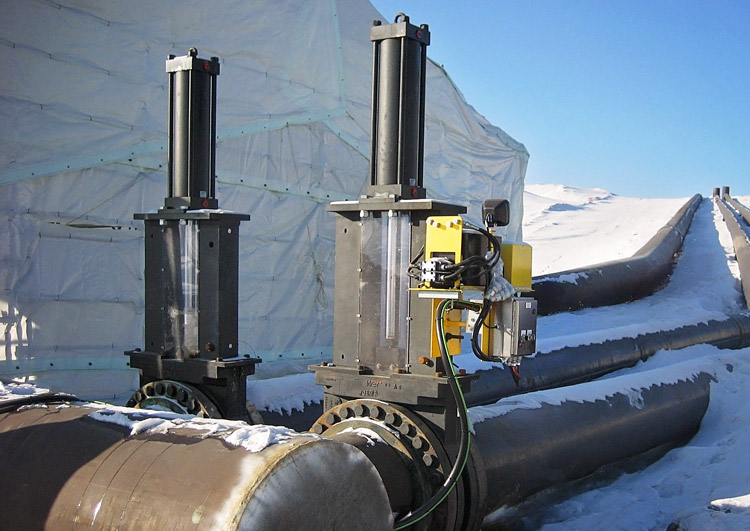
Hydraulic Oil Selection for Cold-Weather HPUs
Hydraulic oil becomes more viscous as temperatures decrease, which can affect pump startup, flow rate, and overall HPU performance. Selecting oil with low-temperature characteristics is an important part of designing HPUs for cold weather. Proper
hydraulic oil selection and maintenance is especially important in applications exposed to large temperature swings.
Heating Considerations for HPUs
If the portable HPU has an integral power source, a diesel fired auxiliary coolant heater can be used to circulate heated glycol through the engine water jacket and hydraulic oil reservoir heater to improve cold weather startup and operation.
Although not always necessary, permanent HPUs designed for outdoor applications are recommended to have full enclosures with weather-tight, insulated walls and roofing. At a minimum, the enclosure prevents rain, snow, dust and debris from accumulating on HPU components, reducing the risk of contamination during operation and maintenance.
Stationary hydraulic power units with enclosed designs can incorporate heaters to maintain the temperature of components in the winter. Conversely, automatic louvers and ventilation fans help control internal temperatures during warmer weather. Maintaining a more stable internal temperature also allows the HPU designer to select components for a narrower operating range, which can improve overall system performance.
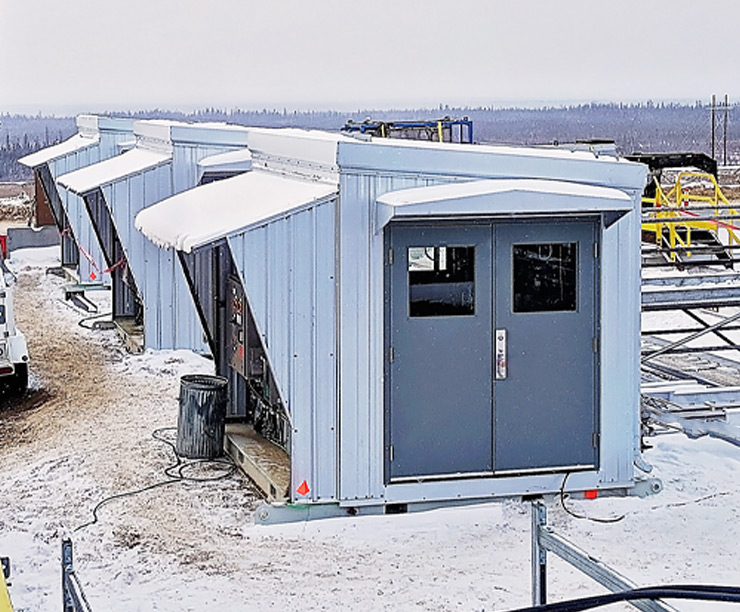
How Cold Temperatures Affect Hydraulic Component Selection
Selecting components for a heated enclosure based on the lowest outdoor ambient temperature can have an adverse effect on system performance. For example, selecting a directional control valve that is rated for operation at -40°C may have a higher leakage rate than a directional control valve rated for -20°C. This is due to additional tolerances required of the low temperature option to accommodate thermal contraction.
Increased internal leakage can cause the hydraulic pump to cycle more frequently to maintain system pressure, increasing wear, heat generation, and energy consumption. Additional hydraulic controls may also be required to maintain valve position, increasing system complexity and cost.
HPU Temperature Monitoring and Alarms
When adding heating and ventilation systems to an enclosed HPU design, it becomes necessary to add monitoring systems (such as high and low temperature alarms) to alert the operator in the case of a heater failures, or if a door has been left open during cold weather.
Hydraulic Power Units for Canadian Winters
Cold-weather HPU design requires more than selecting components with low-temperature ratings. Hydraulic fluid viscosity, startup requirements, heating, enclosure design and control systems all need to be considered as part of the complete design.
PEAK Dynamic Systems designs and builds
hydraulic power units in Edmonton, Alberta for industrial valve applications throughout Western Canada. HPUs can be configured for extreme cold, outdoor installation, remote valve operation, and other site-specific environmental requirements.


